GameStop Wants to Buy eBay for $55.5 Billion: Ryan Cohen’s Biggest Bet Yet
Meta Description: GameStop has proposed a $55.5 billion deal to buy eBay, with CEO Ryan Cohen aiming to transform the retailer into a much larger e-commerce and collectibles powerhouse.
GameStop has entered another dramatic chapter in its unpredictable business transformation. The video game retailer has announced a non-binding proposal to acquire eBay in a massive deal valued at approximately $55.5 billion. If completed, the transaction would combine one of the most recognizable names in gaming retail with one of the world’s largest online marketplaces.
The proposal values eBay at $125 per share, paid through a mix of cash and stock. According to GameStop, the offer includes a 50% cash and 50% stock structure. That price represents a notable premium over eBay’s recent trading value and an even larger premium compared with the company’s stock price earlier in the year, around the time GameStop began buying eBay shares.
GameStop already owns about 5% of eBay’s outstanding stock, giving it a meaningful position before making the acquisition proposal. However, the deal is far from guaranteed. GameStop’s offer is non-binding, meaning eBay is not required to accept it, and both companies would still need to overcome major financing, regulatory, and shareholder hurdles.

Why GameStop Wants eBay
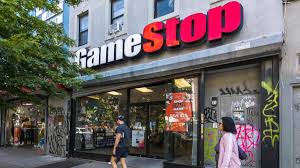
On the surface, GameStop buying eBay may sound surprising. GameStop is still best known for physical video game retail stores, trade-ins, consoles, accessories, and collectibles. eBay, meanwhile, is a massive online marketplace where users buy and sell everything from electronics and clothing to rare trading cards, used games, luxury goods, and collectibles.
But from Ryan Cohen’s perspective, the move fits a larger strategy. Cohen has been trying to reinvent GameStop from a declining mall-based retailer into a broader commerce platform. eBay could give GameStop immediate scale in online resale, collectibles, refurbished electronics, gaming merchandise, and peer-to-peer transactions.
The two companies also overlap in several areas that matter to modern gaming culture. Used games, retro consoles, graded collectibles, trading cards, gaming PCs, electronics, and limited-edition merchandise are all active categories on eBay. GameStop has also been leaning into collectibles and alternative revenue streams as its traditional physical retail business faces pressure.
Ryan Cohen’s Vision for a Much Bigger Company
GameStop CEO Ryan Cohen has made it clear that he believes eBay could be worth much more than it is today. He has suggested that eBay could eventually become a company worth hundreds of billions of dollars if managed correctly.
Cohen is best known as the co-founder of Chewy, the online pet products company that became a major e-commerce success story. After becoming a major figure in GameStop’s transformation, he helped shift the company’s strategy toward cost-cutting, balance sheet discipline, and experimentation with new business models.
If the eBay deal goes through, Cohen would reportedly become CEO of the combined GameStop and eBay company. That would give him control of a far larger business and a much broader platform than GameStop alone.
The proposed deal is also closely tied to Cohen’s personal incentives. GameStop previously approved a compensation structure that could pay him enormous rewards if he reaches aggressive market value and profitability targets, including building GameStop into a company valued around $100 billion. Buying eBay would be the fastest and boldest way to move toward that goal.
How Could GameStop Pay for eBay?
One of the biggest questions is how GameStop could afford such a large acquisition. GameStop’s market value is much smaller than eBay’s, making this an unusual and ambitious takeover attempt.
GameStop reportedly has around $9 billion in cash and has access to approximately $20 billion in debt financing from TD Bank. However, that still would not fully cover the proposed $55.5 billion price. To close the gap, GameStop may need outside investors or additional financing sources.
Reports suggest GameStop could seek funding from major institutional investors, including possible sovereign wealth funds. That would make the deal more complex, but not impossible. Large acquisitions often require multiple layers of financing, including cash, debt, stock, and strategic capital.
The challenge is convincing investors that the combined company would be worth the risk. GameStop would need to show that buying eBay could create enough growth, cost savings, and long-term value to justify the size of the deal.
GameStop Promises $2 Billion in Cost Cuts
GameStop says it could deliver around $2 billion in annualized cost reductions within the first 12 months after acquiring eBay. The proposed cuts would come from multiple areas of eBay’s business.
The biggest reduction would reportedly come from sales and marketing, where GameStop sees about $1.2 billion in potential savings. Another $300 million would come from product development, while $500 million would come from general and administrative expenses.
Those cost-cutting targets are aggressive. Supporters may see them as evidence that Cohen has a clear plan to make eBay more efficient. Critics may worry that cuts of this size could damage eBay’s marketplace, weaken product innovation, or reduce customer growth.
Cohen has already built a reputation for aggressive downsizing at GameStop. Under his leadership, the company has closed stores, cut jobs, reduced spending, and sold off assets, including the long-running gaming magazine Game Informer. That history may make investors take his cost-cutting plans seriously, but it may also raise concerns among employees and marketplace sellers.
What Would a GameStop-eBay Merger Mean?
If GameStop successfully buys eBay, the result could be one of the most unusual retail and e-commerce combinations in recent years. GameStop would instantly gain a major online marketplace with millions of buyers and sellers. eBay would gain a leadership team focused on aggressive restructuring and possibly a stronger push into gaming, collectibles, and resale categories.
For consumers, the impact would depend on how the merged company changes the platform. GameStop could attempt to make eBay more gaming-focused, expand authentication for collectibles, improve refurbished electronics sales, or create stronger connections between physical retail and online resale.
For sellers, the deal could create uncertainty. eBay’s marketplace depends heavily on trust, fees, search visibility, seller tools, and buyer protections. Any major change to those systems could affect small businesses, collectors, and casual sellers who rely on the platform.
Why the Deal May Not Happen
Despite the headlines, there is no guarantee this acquisition will move forward. The proposal is non-binding, and eBay may reject it outright. The company may decide it is better off remaining independent, pursuing its own strategy, or negotiating only if GameStop raises its offer.
Financing is another challenge. GameStop would need to secure enough capital to complete the deal, and lenders or investors may demand strict terms. Regulators would also review the transaction, especially because eBay is a major online marketplace.
Shareholders on both sides may also have concerns. eBay investors may argue the offer undervalues the company’s long-term potential. GameStop investors may worry the company is taking on too much risk by attempting to buy a much larger business.
Final Thoughts
GameStop’s proposal to buy eBay for $55.5 billion is one of the boldest moves in the company’s modern history. It shows that Ryan Cohen is not interested in small changes. He wants to transform GameStop into something much larger than a traditional video game retailer.
The potential deal could give GameStop a massive e-commerce platform, stronger exposure to collectibles and resale, and a path toward becoming a far larger company. At the same time, the risks are enormous. Financing, integration, cost-cutting, regulatory review, and eBay’s own willingness to sell all remain major unknowns.
For now, the proposal is a high-stakes signal of where Cohen wants to take GameStop next. Whether it becomes a genius transformation or an overly ambitious gamble will depend on whether eBay agrees to engage and whether GameStop can prove it has a realistic plan to create lasting value.