Kiln Is Double Fine’s Weirdest Multiplayer Game Yet, and That Might Be Its Biggest Strength
Meta Description: Double Fine’s Kiln is a creative pottery party brawler built around player expression, chaotic multiplayer battles, and handmade charm. Here’s why it could become one of the most unique social games of the year.
Double Fine has always had a reputation for making games that feel different from almost everything else on the market. From strange worlds to offbeat characters and playful ideas, the studio has built its identity around creativity rather than chasing obvious trends. With Kiln, Double Fine is once again leaning into that identity, this time with a multiplayer game about pottery, weird little creatures, and chaotic party-style battles.
At first, the idea sounds unusual: players create pottery-based characters, shape them using tools inspired by real ceramics, and then send those creations into battle. But that odd concept is exactly what makes Kiln stand out. In a gaming market filled with shooters, survival games, battle passes, and competitive live-service titles, Kiln feels handmade, strange, social, and intentionally silly.
The game is described as a pottery party brawler, but that phrase only tells part of the story. Kiln is not simply about fighting other players. It is about making something strange, sharing it with friends, laughing at the results, and then watching those creations collide in a playful multiplayer space. It is the kind of game that depends heavily on personality, creativity, and community energy.
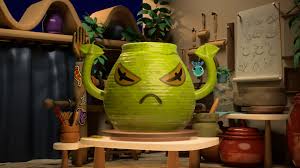
A Game Built From a Simple Creative Idea
Kiln began as a game jam concept inside Double Fine. The original idea was not to make a traditional fighting game or a typical character creator. Instead, the goal was to let players create their own strange little figures and battle them against the creations of other players.
The pottery angle came from a practical and artistic place. Traditional 3D modeling can be complicated, especially on a controller. Pottery, however, offered a more approachable way to shape objects in a game. Players could mold, stretch, curve, decorate, and personalize their creations without needing professional art skills.
That choice became central to Kiln’s identity. Pottery is simple to understand but difficult to master. Anyone can imagine shaping clay, but real pottery involves practice, patience, and craft. Double Fine wanted to capture the fun of that process without making it intimidating. The result is a kind of “pottery power fantasy,” where players can quickly create odd, charming, and expressive characters.
Why Pottery Works as a Game Mechanic
Pottery might seem like an unexpected foundation for a multiplayer game, but it actually makes sense. Clay is flexible, physical, and expressive. It can become elegant, ugly, funny, strange, or surprisingly beautiful depending on how someone shapes it. That gives players a wide range of creative possibilities.
In Kiln, the process of making a character is part of the entertainment. Players are not just selecting from preset skins or changing colors on a menu. They are actively building something with personality. That makes each creation feel more personal, especially when shared with friends.
This also gives the game a different kind of humor. A perfectly polished character can be impressive, but a strange, lopsided, accidental creature can be even funnier. Kiln seems designed to celebrate both outcomes. It does not demand perfection. It rewards expression.
Double Fine’s Handmade Identity Remains Intact
One of the most important things about Kiln is that it still feels like a Double Fine game. Even though the studio is now part of Microsoft, Kiln does not appear to be a safe or overly corporate project. It is weird, specific, artistic, and clearly built around a concept that would not come from a focus-group checklist.
That matters because many players are becoming more interested in games that feel human and handmade. In an era where big-budget releases can sometimes feel overly polished or predictable, Kiln stands out by embracing imperfection and personality. Its entire premise is built around players making things themselves.
Instead of relying only on developer-made content, Kiln gives players the tools to become part of the creative process. That fits Double Fine’s long-running philosophy. The studio has often made games that encourage curiosity, humor, and emotional connection. Kiln translates that spirit into a multiplayer format.
Creativity Versus Moderation
One of the biggest challenges for any game built around player creation is moderation. When players are given powerful creative tools, some will make funny things, some will make beautiful things, and some may create content other players do not want to see.
Double Fine’s approach with Kiln appears to prioritize player creativity while still offering safety options. Rather than heavily limiting the tools themselves, the game includes ways for players to control what they see. This allows the developers to preserve creative freedom without ignoring the need for moderation.
There is also a more restricted mode designed to prevent players from seeing other people’s creations. This is especially important for younger players or anyone who wants a safer, more controlled experience. Reporting tools are also part of the system, allowing problematic creations or accounts to be reviewed.
This balance is important. Kiln’s appeal depends on letting players make strange and unexpected things. If the tools were too limited, the game would lose part of its charm. At the same time, a modern multiplayer game needs clear safety options. Double Fine seems to be aiming for a middle ground where expression remains central, but players have protection when needed.
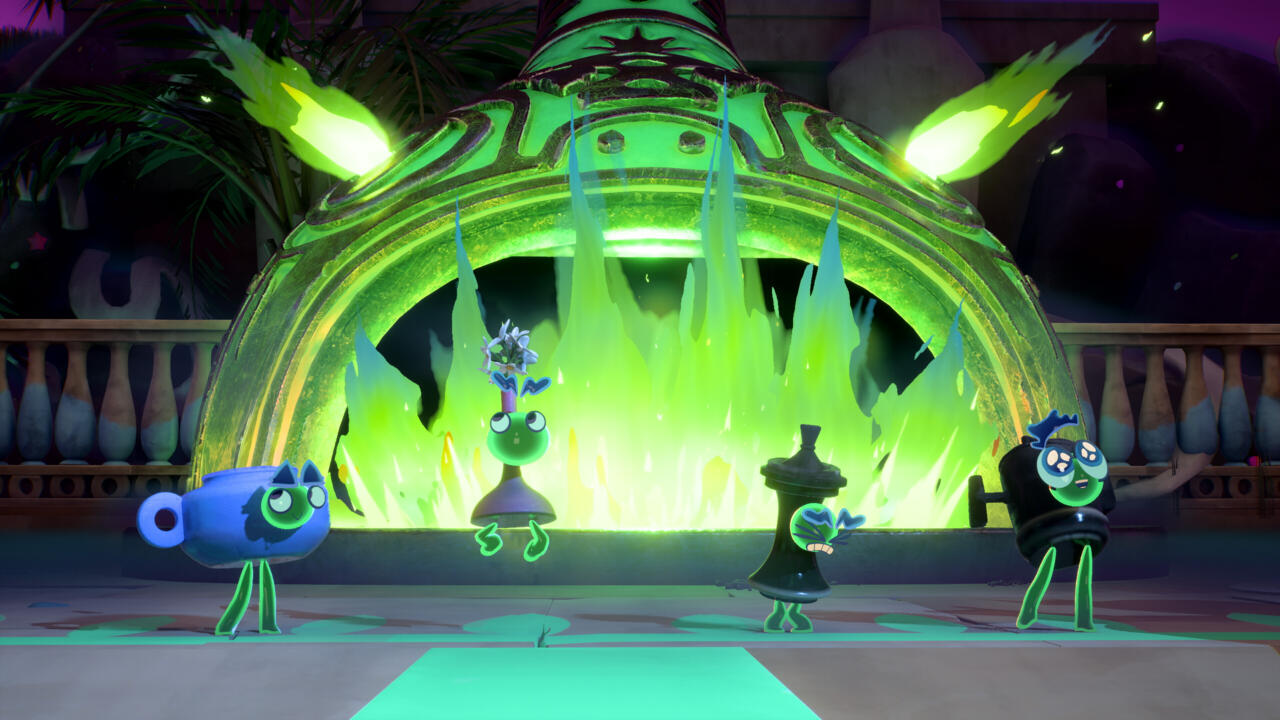
Is Kiln a Live-Service Game?
Kiln has some qualities associated with live-service games. It is multiplayer-focused, runs on dedicated servers, and is designed to receive updates after launch. However, Double Fine does not appear to be positioning it as a traditional live-service product filled with seasons, battle passes, or aggressive monetization systems.
That distinction matters. The term “live service” often brings certain expectations, including constant events, limited-time rewards, premium passes, and ongoing content pressure. Kiln seems to be taking a lighter approach. The game will receive new content, but the focus appears to be sustainable updates rather than a demanding seasonal model.
Future updates are expected to include features, maps, decorations, and other additions that expand the creative and multiplayer experience. Since Double Fine is not operating with the same scale as some massive online games, the update pace will likely be more manageable and focused.
A Social Game Made for Friends
Kiln also fits into the growing popularity of silly multiplayer games designed around friends hanging out together. Some players use the term “friendslop” to describe these chaotic social games, but the label is often used with affection. These are games where the fun comes less from perfect balance and more from shared laughter, unexpected moments, and casual group energy.
Kiln seems to belong in that space. Its lobby environment lets players create pottery together, show off their work, trade creations, and enjoy a low-pressure multiplayer setting. The fighting matters, but the social experience may matter even more.
This is where Kiln could find its strongest audience. Players are increasingly looking for games that do not require intense competition or endless grinding. Sometimes they simply want a place to be weird with friends for a couple of hours. Kiln understands that mood.
Rare Helped Double Fine With Multiplayer Systems
Kiln is also notable because Double Fine received support from Rare, the studio behind Sea of Thieves. That collaboration makes sense. Sea of Thieves is one of Xbox’s most successful social multiplayer games, and Rare has deep experience with networking, moderation, community systems, and online play.
For Double Fine, Kiln represents a major step into modern multiplayer development. Having help from a studio with Rare’s background gives the game a stronger foundation. Multiplayer games require more than a fun idea. They need stable servers, good matchmaking or party systems, moderation tools, and long-term community support.
Rare’s involvement could help Kiln avoid common problems that smaller multiplayer games face at launch. It also shows how Microsoft’s studios can support each other without necessarily forcing every game into the same mold.
Why Kiln Could Stand Out in 2026
The biggest challenge for Kiln will be attention. The multiplayer market is crowded, and players already have endless options for party games, co-op chaos, survival sandboxes, and social experiences. To succeed, Kiln needs to prove that its creative pottery system is more than a gimmick.
Fortunately, its concept is memorable. Players may forget another generic action game, but they are more likely to remember a game where they shape clay creatures and throw them into battle. That kind of identity is valuable, especially in a market where many games look and feel similar.
Kiln also benefits from Double Fine’s reputation. The studio has earned trust from players who enjoy unusual and artistic games. That does not guarantee success, but it gives Kiln a clear audience: people who want something funny, creative, and different.
Final Thoughts
Kiln is exactly the kind of game that makes Double Fine interesting. It is strange, playful, artistic, and difficult to compare directly to anything else. Its pottery-based creation system gives players a reason to experiment, while its party brawler structure gives those creations a chaotic purpose.
The game’s biggest strength may be its commitment to player expression. Instead of giving players a narrow set of polished characters, Kiln invites them to make weird little things of their own. Some will be impressive. Some will be ridiculous. That is the point.
If Double Fine can support the game with smart updates, strong moderation, and reliable multiplayer systems, Kiln could become one of the most distinctive social games of the year. It may not be for everyone, but for players who want a creative multiplayer experience with personality, Kiln could be exactly the kind of weird game worth paying attention to.