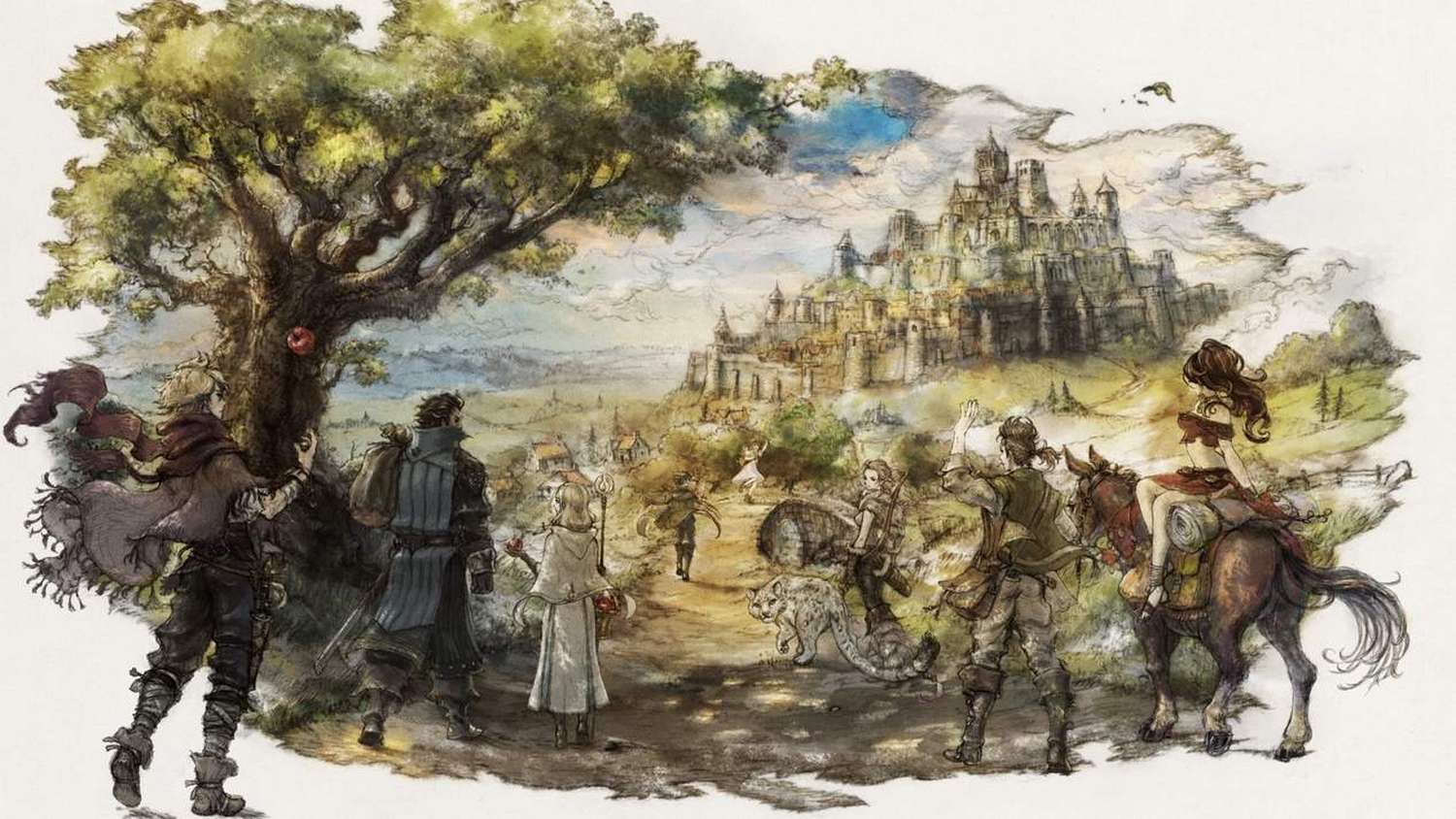
Octopath Traveler 0: Can the Potential Prequel Truly Live Up to the Franchise’s Acclaimed Legacy?








Popular Now
Call of Duty
 Free Fire Max
 Garena Free Fire: Kalahari
 Among Us
 Poppy Playtime
 Sonic the Hedgehog™ Classic
 NBA 2K24
 Grand Theft Auto V
 Stumble Guys
 BeamNG.drive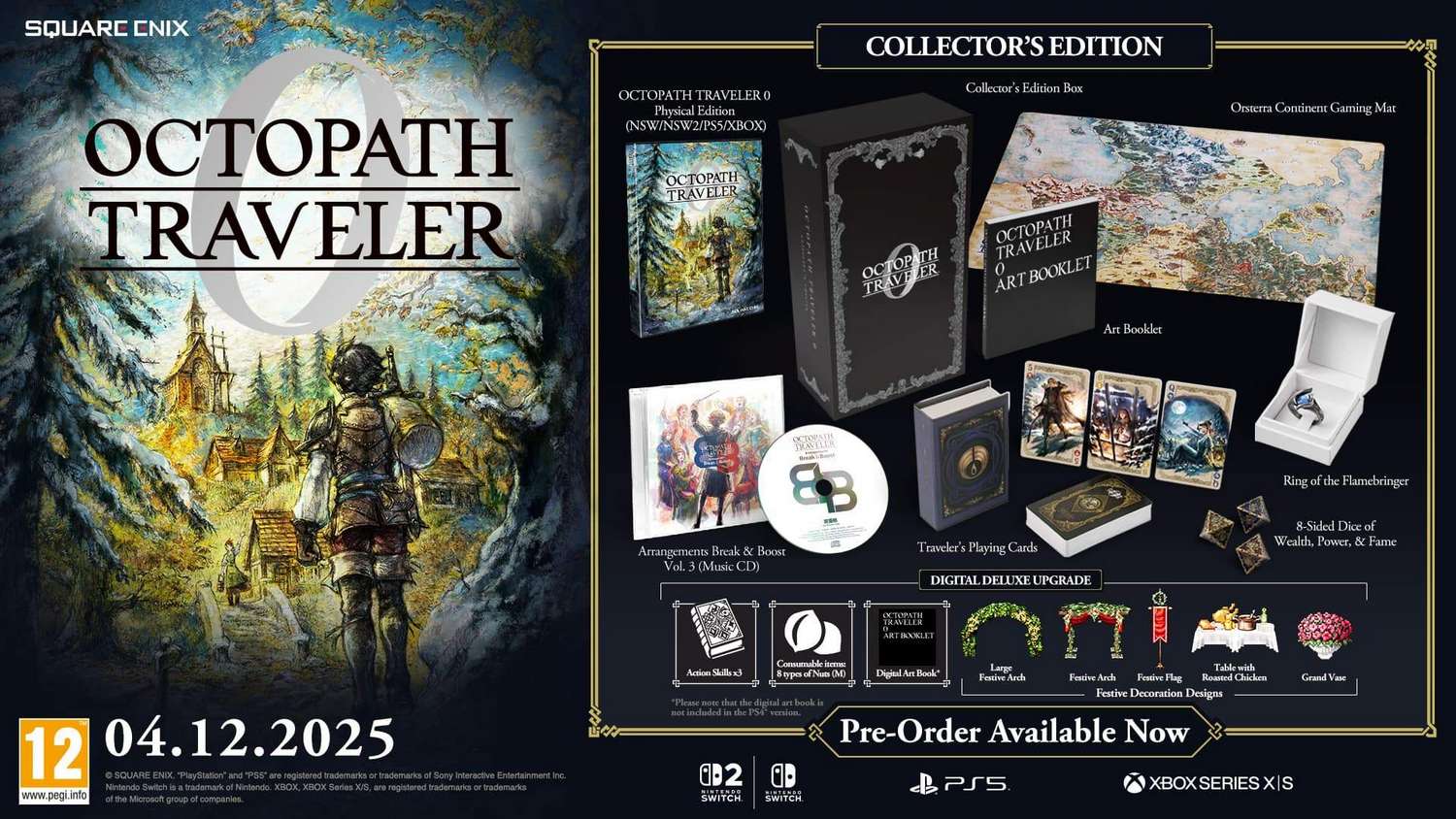
The Burden of the ‘Zero’: Can Octopath Traveler 0’s Reimagined Prequel Truly Live Up to the Franchise’s Acclaimed Legacy?
The announcement of Octopath Traveler 0 has been met with a mixture of immense excitement and cautious skepticism from the JRPG community. Slated for a multiplatform launch on December 4th, 2025, this title is more than just a prequel to the original acclaimed game; it is a full, premium-priced, console-grade reimagining of the successful mobile Gacha RPG, Octopath Traveler: Champions of the Continent. The central question facing Square Enix and developer DokiDoki Groove Works is whether this ambitious project—which trades the beloved eight fixed protagonists for a customizable hero and adds town-building mechanics—can retain the heart and narrative cohesion that defined its predecessors.
The franchise’s legacy is built upon two pillars: the stunning HD-2D visual style and the eight interlocking-but-separate narrative journeys. By adapting a mobile narrative structure and introducing major new gameplay elements, Octopath Traveler 0 is taking a calculated risk. This analysis delves into the biggest challenges and most promising innovations of the HD-2D JRPG’s latest entry, assessing its potential to be a significant, rather than derivative, addition to the role-playing genre.
Challenge 1: The Paradox of the Custom Protagonist
Both Octopath Traveler and Octopath Traveler II succeeded largely due to the strength of their fixed, complex protagonists. Characters like Cyrus the Scholar and Primrose the Dancer offered distinct motivations, unique Path Actions, and deep personal narratives that drove player engagement. Octopath Traveler 0 fundamentally shifts this model:
- Player-Created Hero: The game places a customizable protagonist from the destroyed hometown of Wishvale at the story’s center. This is a massive departure from the series’ signature, pre-written characters. While this choice allows for greater player immersion and role-playing flexibility, it risks creating a “silent protagonist” or “blank slate” feeling, potentially diluting the emotional impact compared to the established, character-driven formula.
- The 30+ Recruitable Allies: To compensate, the game features over 30 recruitable characters, drawing from the massive roster of Champions of the Continent. While this provides immense party customization, the challenge is giving each of these characters meaningful narrative involvement beyond their initial recruitment arc, a weakness often leveled at the optional party members in the original game. The developer promises that the main story, a sprawling 100-hour campaign, will integrate these allies naturally, but this remains a high bar for a single-player AAA video game experience.
The core fear is that by replacing eight meticulously crafted storylines with one central revenge/restoration plot, the game might sacrifice the intimate, episodic feel that made the series stand out in the crowded JRPG market.
Innovation 1: The Strategic Evolution of Combat
The Break and Boost battle system—the second great pillar of the franchise—is not only returning but has been significantly expanded, promising deeper turn-based strategy and dynamic encounters. This evolution is vital for keeping the combat fresh across the title’s immense playtime.
Eight-Character Parties and Back Row Mechanics
- Front and Back Rows: For the first time, battles allow for an eight-character party, split between an active Front Row and a passive Back Row. Characters in the Back Row cannot attack but replenish HP and SP each turn, adding a crucial layer of tactical resource management.
- Strategic Tagging: The ability to swap characters between the front and back rows at will (Source: Xbox Wire Preview) means players can strategically rotate damaged allies out or bring in a fresh character mid-fight to exploit a newly discovered weakness. This elevates the pace and complexity of the signature Break and Boost loop, making it less predictable and more rewarding for smart play.
- Ultimate Techniques & Action Skills: The addition of a new Ultimate Technique gauge (similar to limit breaks) for both the protagonist and allies, along with customizable Action Skills (equippable skills learned at the town’s Training Ground), provides new avenues for high-damage bursts and party-wide utility, addressing the criticism that late-game battles in OT1 could feel overly reliant on specific job pairings.
These enhancements suggest the battle system in Octopath Traveler 0 will be the most strategically demanding and rewarding yet, providing a compelling hook for hardcore RPG players and maximizing the game’s player engagement potential.
Challenge 2: The Visual and Technical Hurdles of HD-2D
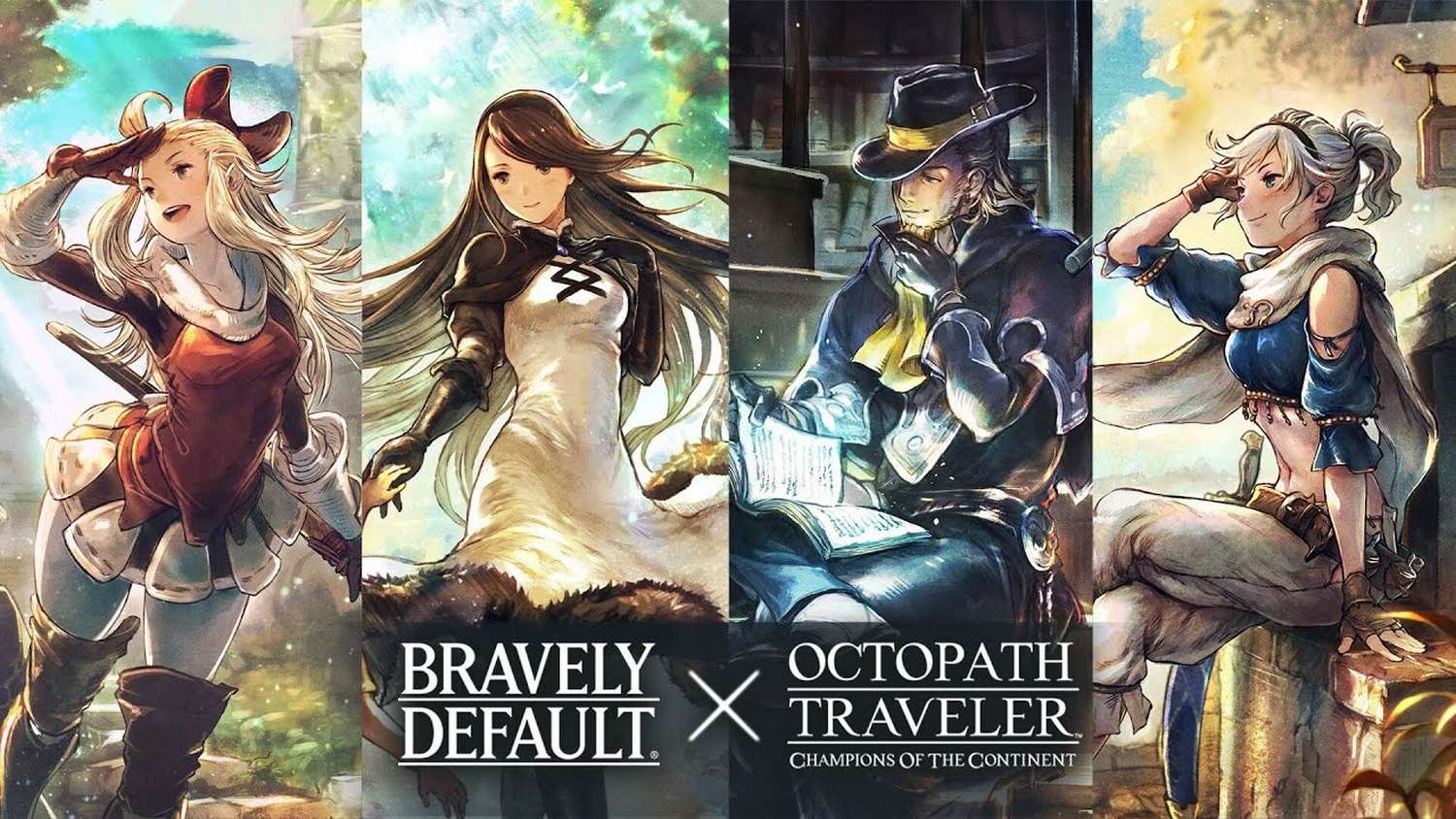
While the HD-2D style is a definitive series hallmark, early previews have indicated potential technical and aesthetic regressions compared to the widely lauded Octopath Traveler II.
- Aesthetic Age: Being built largely upon the framework and assets of the 2020 mobile title Champions of the Continent, some previews noted that the environmental textures and character sprites appear “unpolished” and “muddy,” lacking the heightened resolution and refined dynamic lighting that made OT2 look “picture-perfect” (Source: TheGamer Preview).
- Performance on Switch: Reports of “scattered hitching” when dealing with the new town-building feature on the Nintendo Switch 2 (the rumored successor console) suggest that the demanding graphical style, combined with the new dynamic world elements, is pushing the hardware to its limits. Maintaining the high fidelity and performance expected of the series across multiple platforms is a significant game development challenge.
- The Town-Building Integration: The new mechanic requires players to rebuild the destroyed town of Wishvale, assigning recruited allies to various facilities like fields, shops, and training grounds. While this provides a strong narrative motivation (revenge and restoration), analysts worry that it might feel like a bolted-on resource management system rather than an organic element of a traditional JRPG (Source: RPGFan Preview).
Conclusion: A High-Stakes Bet on Innovation
Octopath Traveler 0 represents a genuine inflection point for the franchise. It has expertly leveraged its mobile predecessor’s massive narrative breadth—repurposing two and a half years of live service content into a single, comprehensive 100-hour campaign—while surgically removing the controversial gacha mechanics. The additions of the customizable protagonist, the eight-character battle system, and the town-building feature are radical, potentially groundbreaking changes that offer a fresh experience for veterans.
The success of the game, however, will hinge on the execution of these changes. If the custom hero can carry the emotional weight of a 100-hour revenge plot, and if the town-building integrates seamlessly without becoming a tedious chore, Octopath Traveler 0 will not only live up to its acclaimed legacy but potentially surpass it by offering a deeper, more strategic role-playing game experience. The countdown to December 4th is a high-stakes moment for the future of the HD-2D RPG and a key test of Square Enix’s commitment to transforming their successful mobile properties into definitive console entries.